


Technology & Features

High-Speed Compression TUNE Adjuster
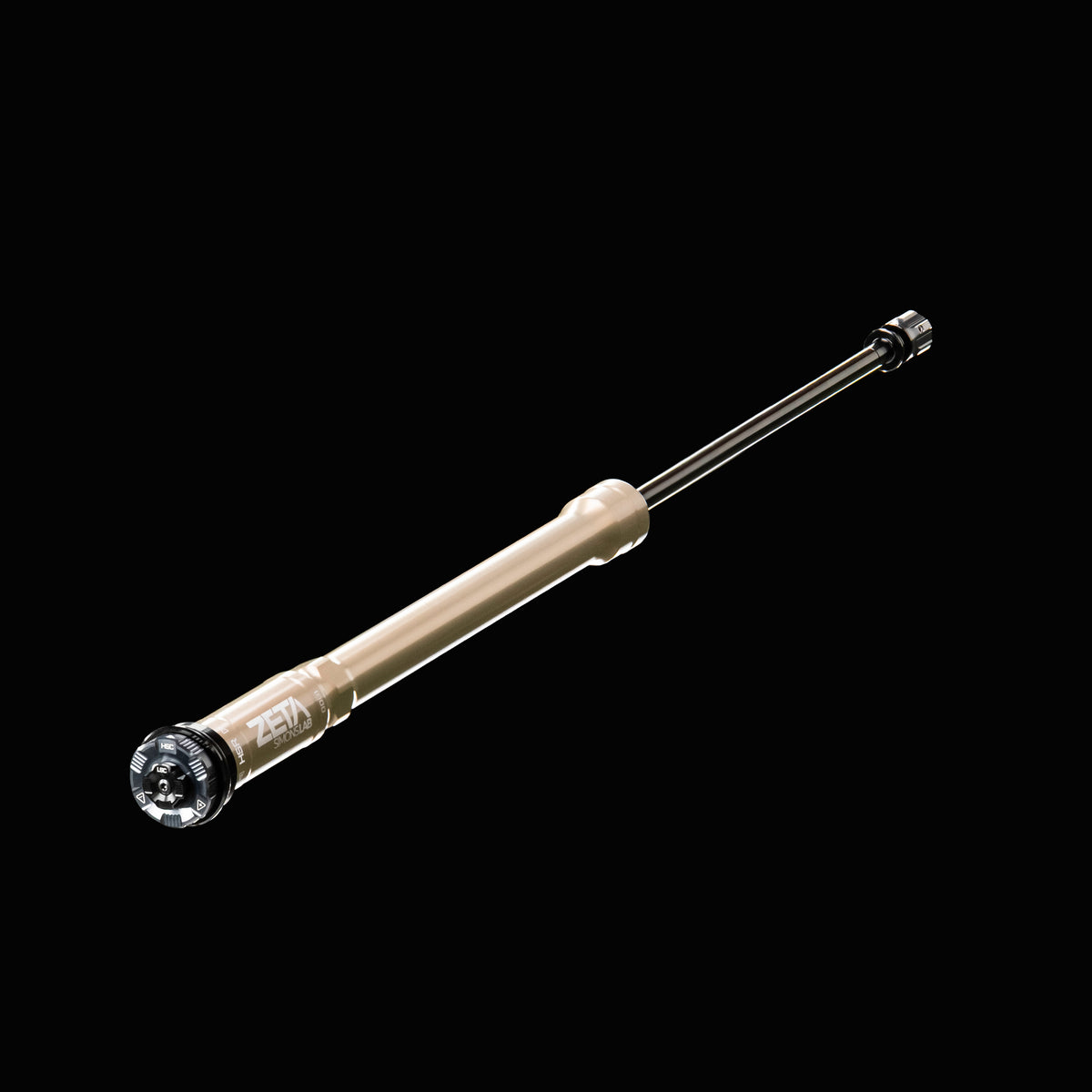
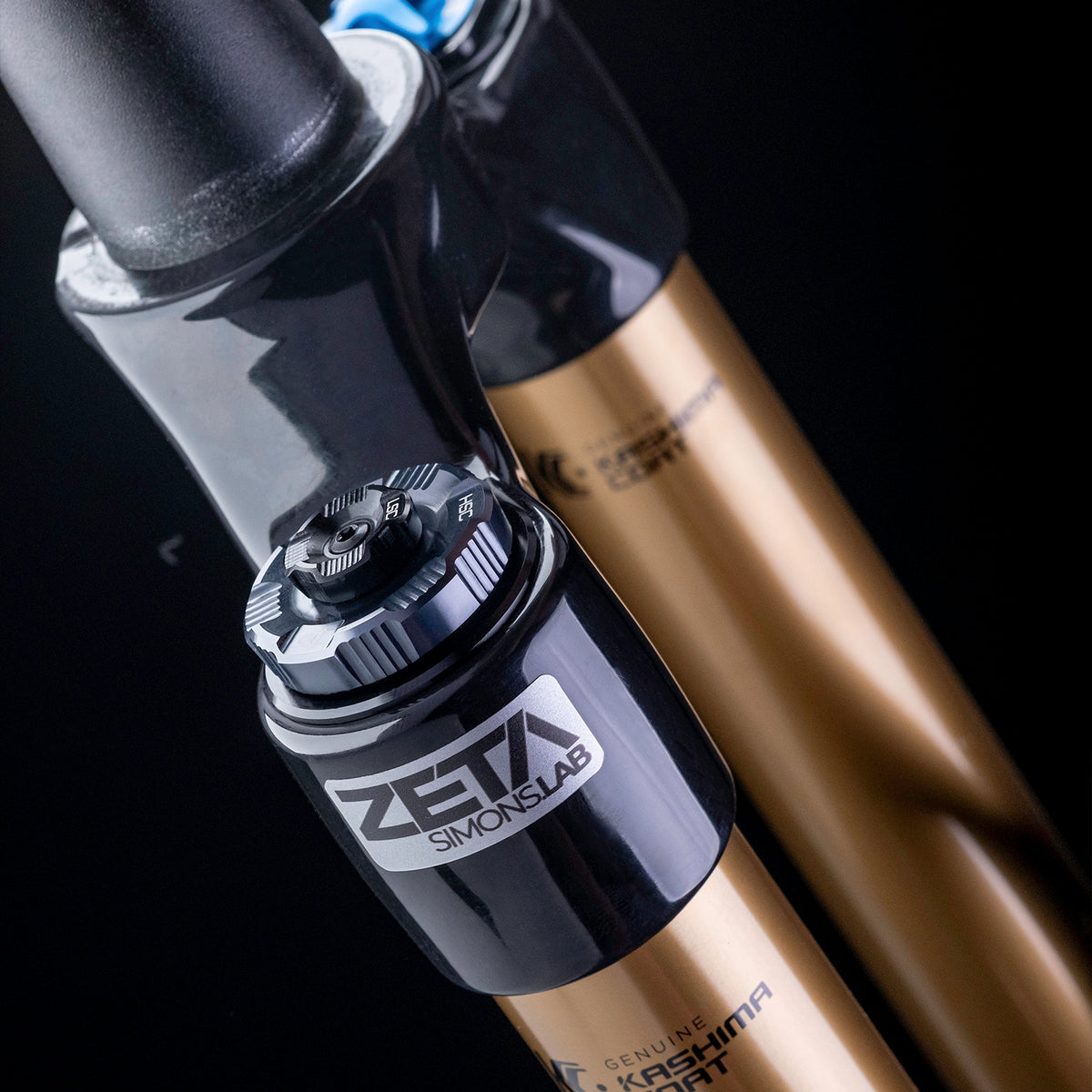
The High-Speed Compression TUNE Adjuster directly influences damping force across the entire velocity range by effectively scaling the force-velocity curve up or down.
This results in a slightly digressive to near-linear damping characteristic across all HSC settings, allowing riders to find their preferred level of support without compromising damping behavior in other parts of the velocity range.

High-Speed Rebound TUNE Adjuster
The desired rebound behavior of a suspension fork is closely linked to spring rate and spring characteristics. By effectively scaling the entire force-velocity curve, the High-Speed Rebound TUNE Adjuster allows riders to precisely adapt ZETA to different spring rates. This enables consistent rebound behavior across a wide range of rider setups.
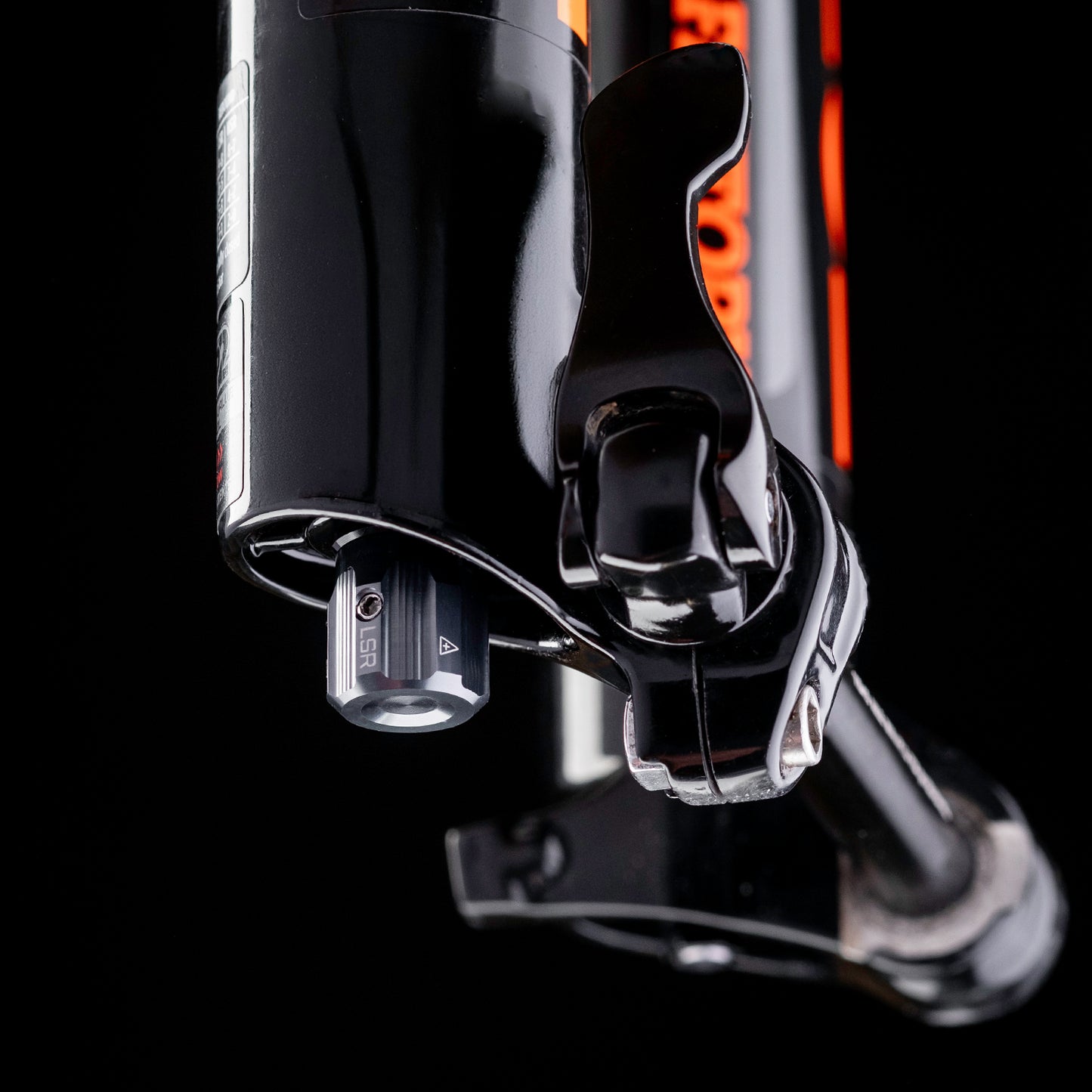
An additional advantage of having all rebound TUNEs integrated into a single system is the ability to fine-tune overall ride feel. Whether you prefer a more poppy and responsive fork or a planted and control-focused setup, rebound behavior can be easily adjusted - without ever changing shim stacks.

Hydraulic Bottom Out System
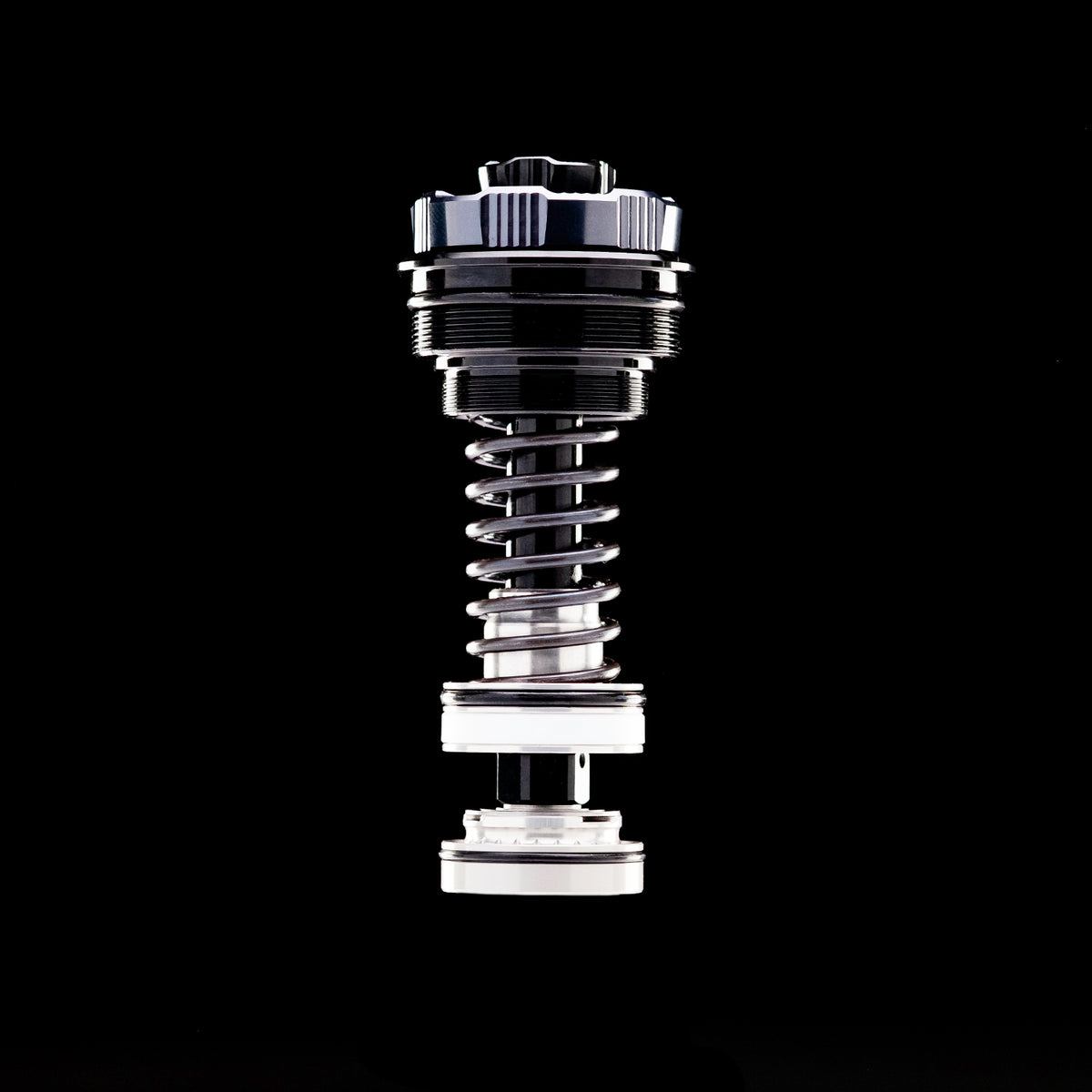
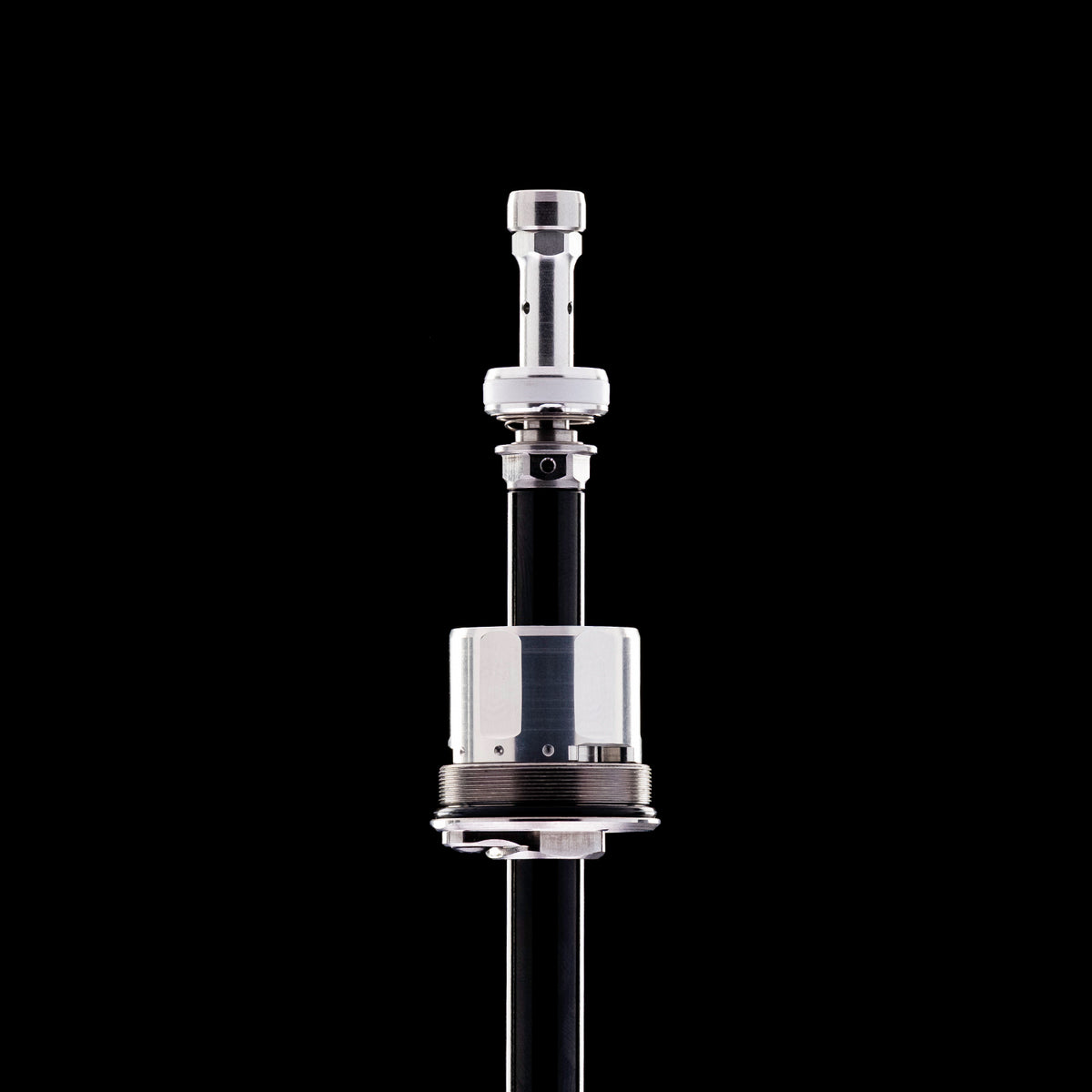
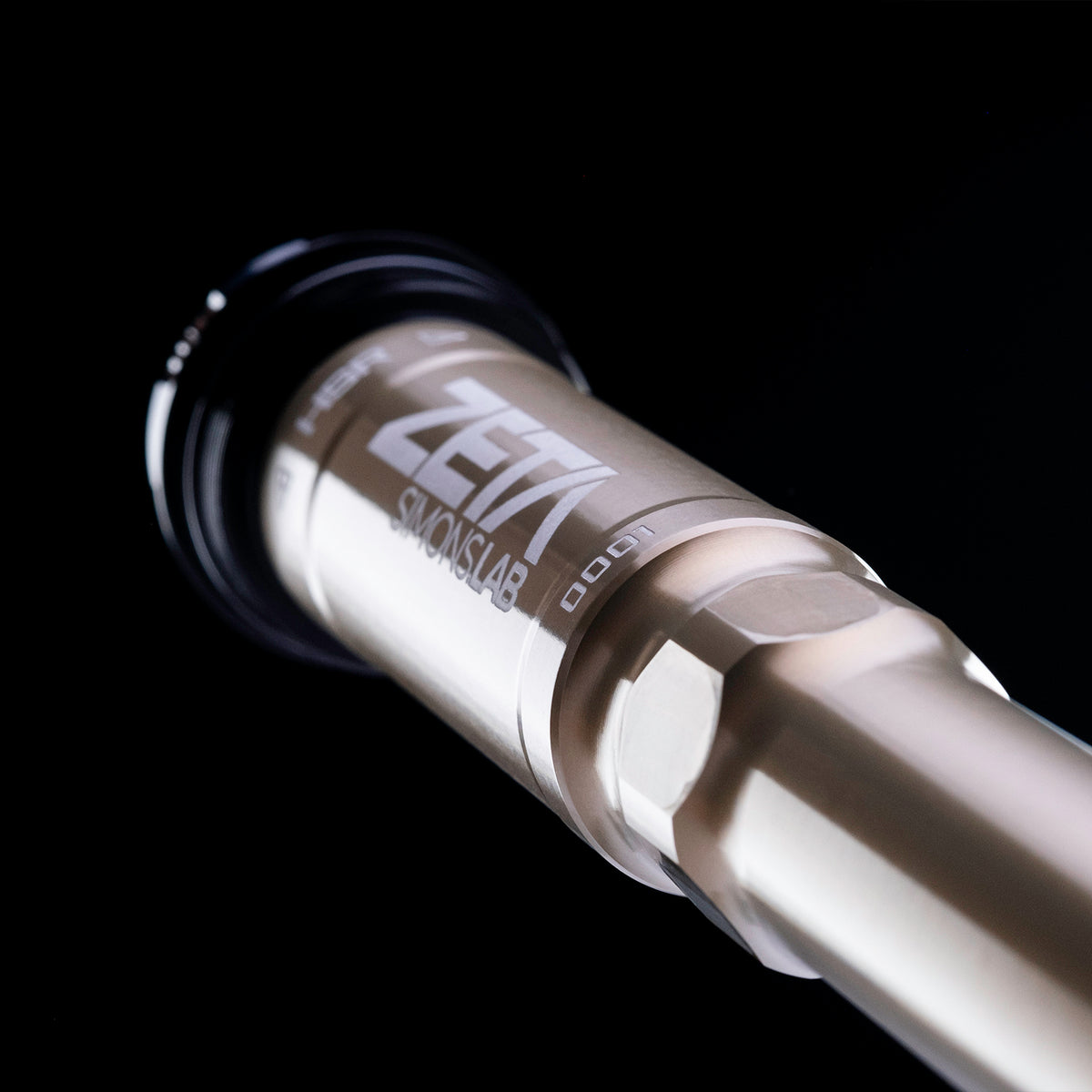
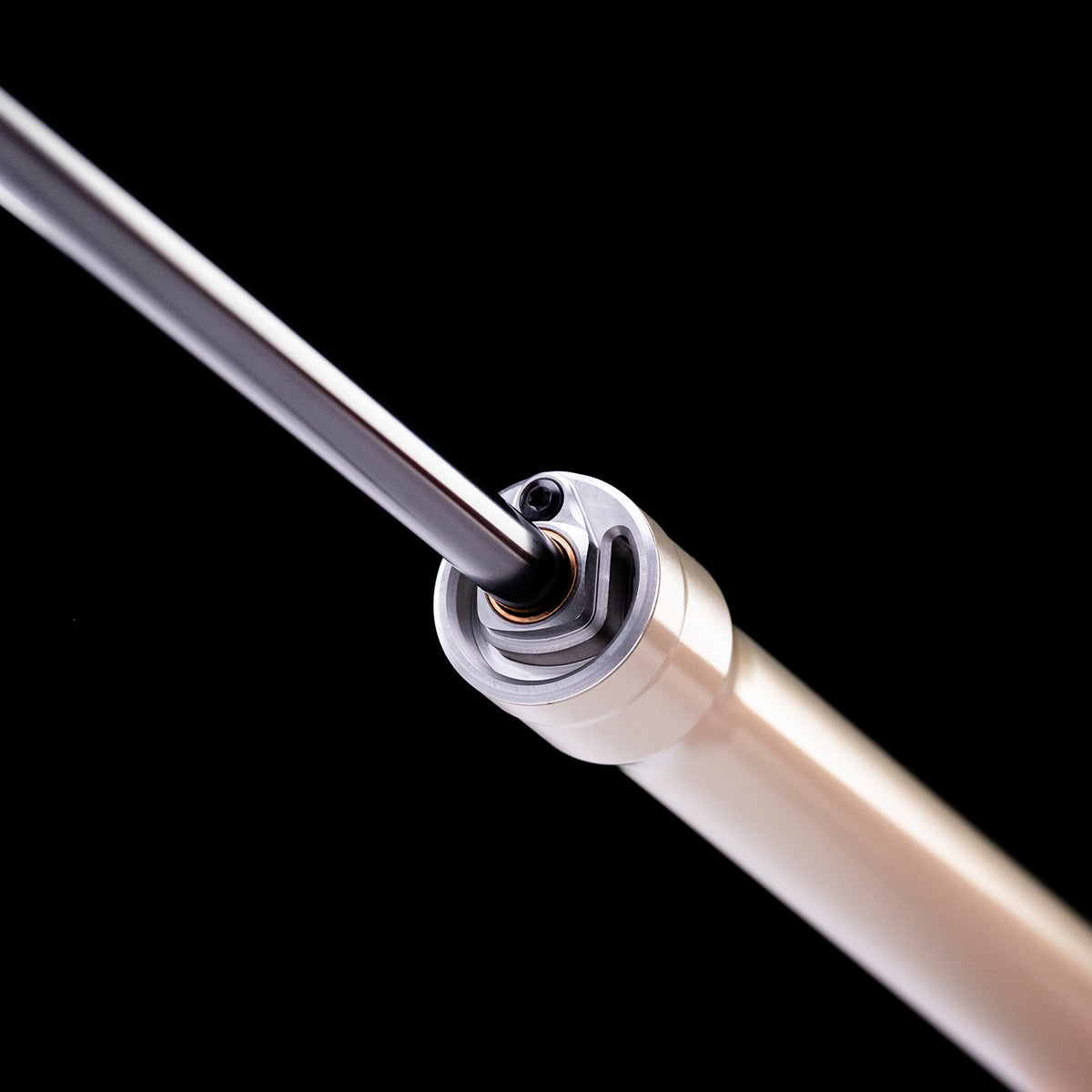
The Hydraulic Bottom Out system increases compression damping during the last 25 mm of travel by engaging a secondary piston.
It is designed to generate progressively increasing damping forces with both rising shaft velocity and deeper travel into the stroke, significantly reducing the severity of harsh bottom-out events without affecting rebound performance.
This allows riders to tune air spring progression with a stronger focus on bump absorption and ride quality rather than solely preventing bottom-outs.
Dyno verified Settings
See how each adjuster changes the damping curve.
Switch between the different adjustment circuits and damping modes to compare how each setting affects the damping force.

High-Speed Compression
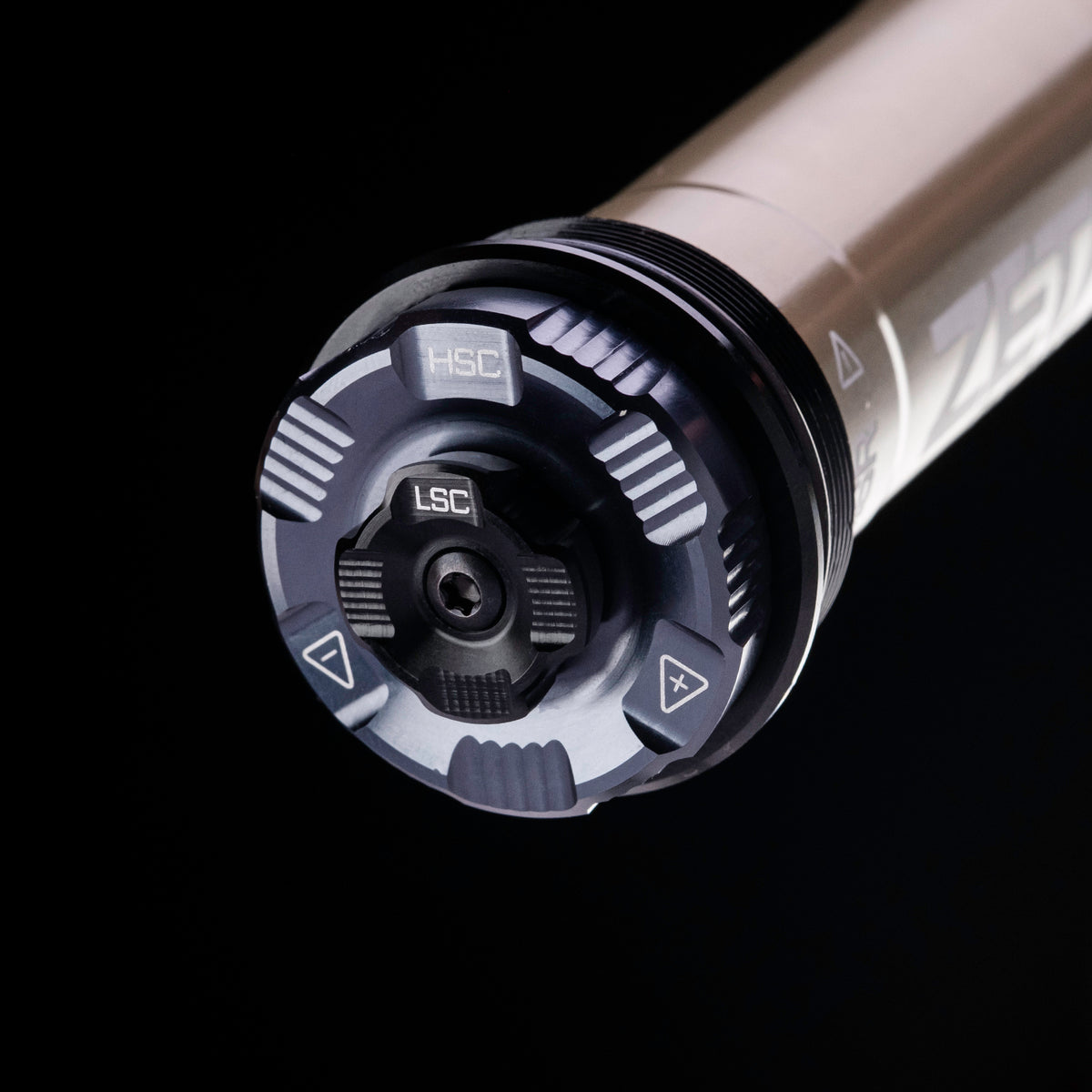
The HSC adjuster sets the overall compression tune by controlling damping forces across the full shaft-speed range. This allows you to adjust the desired level of compression support.

Low-Speed Compression
The LSC adjuster lets you fine-tune support in the lower shaft-speed range. It affects ride height, braking support, chassis stability and small-bump compliance.

High-Speed Rebound
The HSR adjuster adapts the overall rebound damping to your spring rate. This keeps the fork composed after big impacts, while preserving small-bump compliance across different rider weights and setups.

Low-Speed Rebound
The LSR adjuster fine-tunes rebound damping in the lower shaft-speed range. This helps optimize small-bump grip and adapt the setup to changing ambient conditions.

Hydraulic Bottom Out
The HBO adds extra compression damping in the last 25 mm of travel. The deeper and faster the fork moves into its travel, the more support it provides.

THE MEANING BEHIND THE NAME
Why ZETA?
In vehicle dynamics, Zeta describes the damping ratio — a key parameter used to evaluate how a dynamic system responds to movement.
During the development of the cartridge, the damping ratio was one of the central reference values used to define, compare, and refine the valve characteristics. It helped translate rider weight, spring rate, and damping force into a physics-based setup approach.
That is why the cartridge is called ZETA.